
What Copenhagen Taught Us About Great Design
What happened when we designers visited one of the world's most design-conscious cities?
Creativity is one of our core values (and rightly so)! It’s what we do. We love being makers in our daily lives, but how do we keep that inspiration bucket full? We must take time to step away from the computer and get out there! Next stop: Copenhagen, Denmark.
It’s one of the world’s design capitals, known for its culture, architecture, style, and the pastries are yummy too! We managed to fit all of this – plus more – into our jam-packed trip, including:
Above: watch us in action in Copenhagen, Denmark.
We began at the Designmuseum Danmark. It is a beautiful space, blending new with old, featuring renowned Danish designers such as Georg Jenson, Kay Bojesen, and Carl Henson. We even saw a gallery celebrating solely chairs. It taught us the importance of studying historic designs that are tried-and-tested. You can learn their success stories and build upon them for your own creations.
“The lines need to smile.”
The cherry on top was seeing our book, The Brand Power Manifesto, in the gift store. Wow! This was a real “pinch me” moment, and something we could only dream of while imagining the book. Now, it’s being enjoyed worldwide, which is lovely.
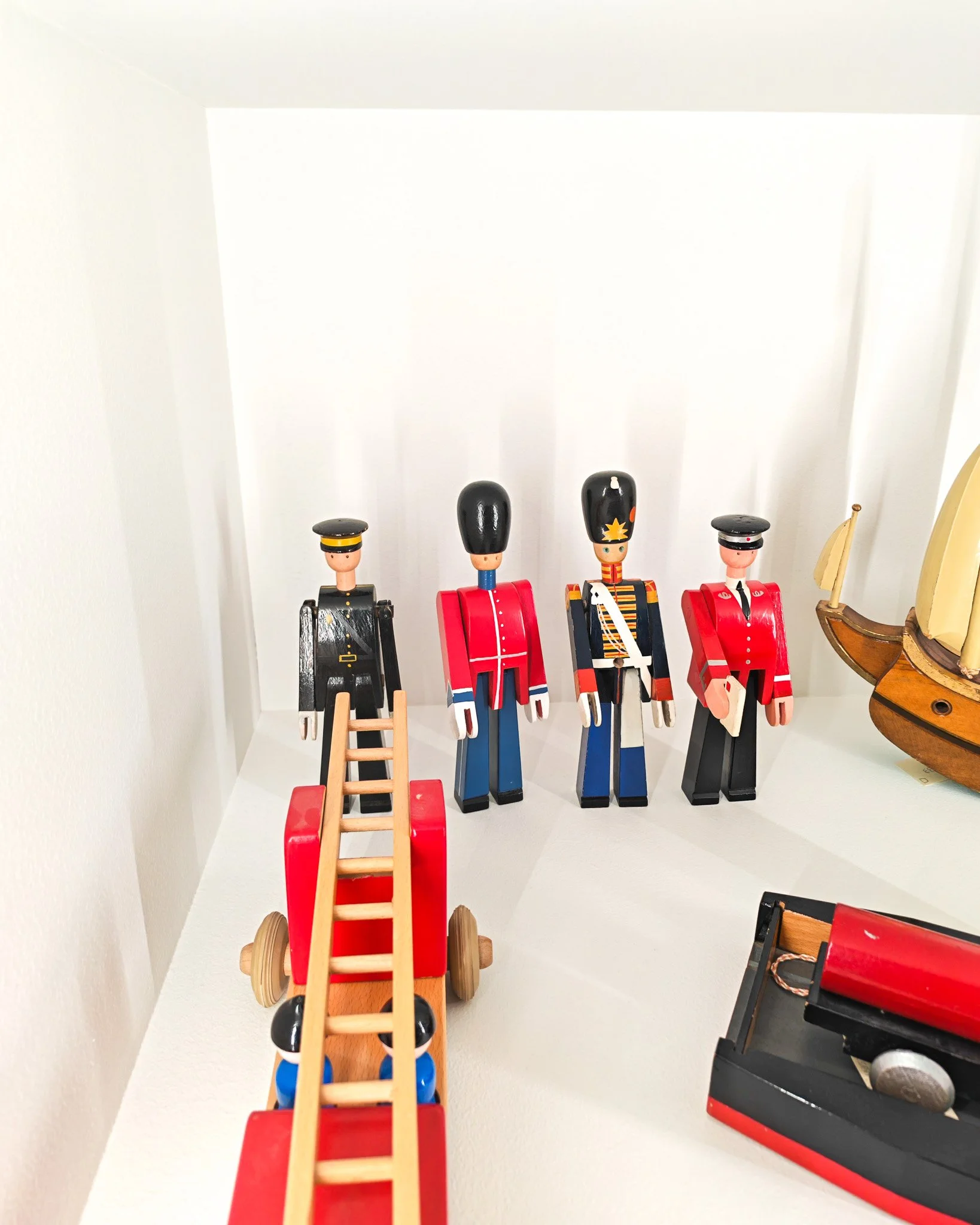
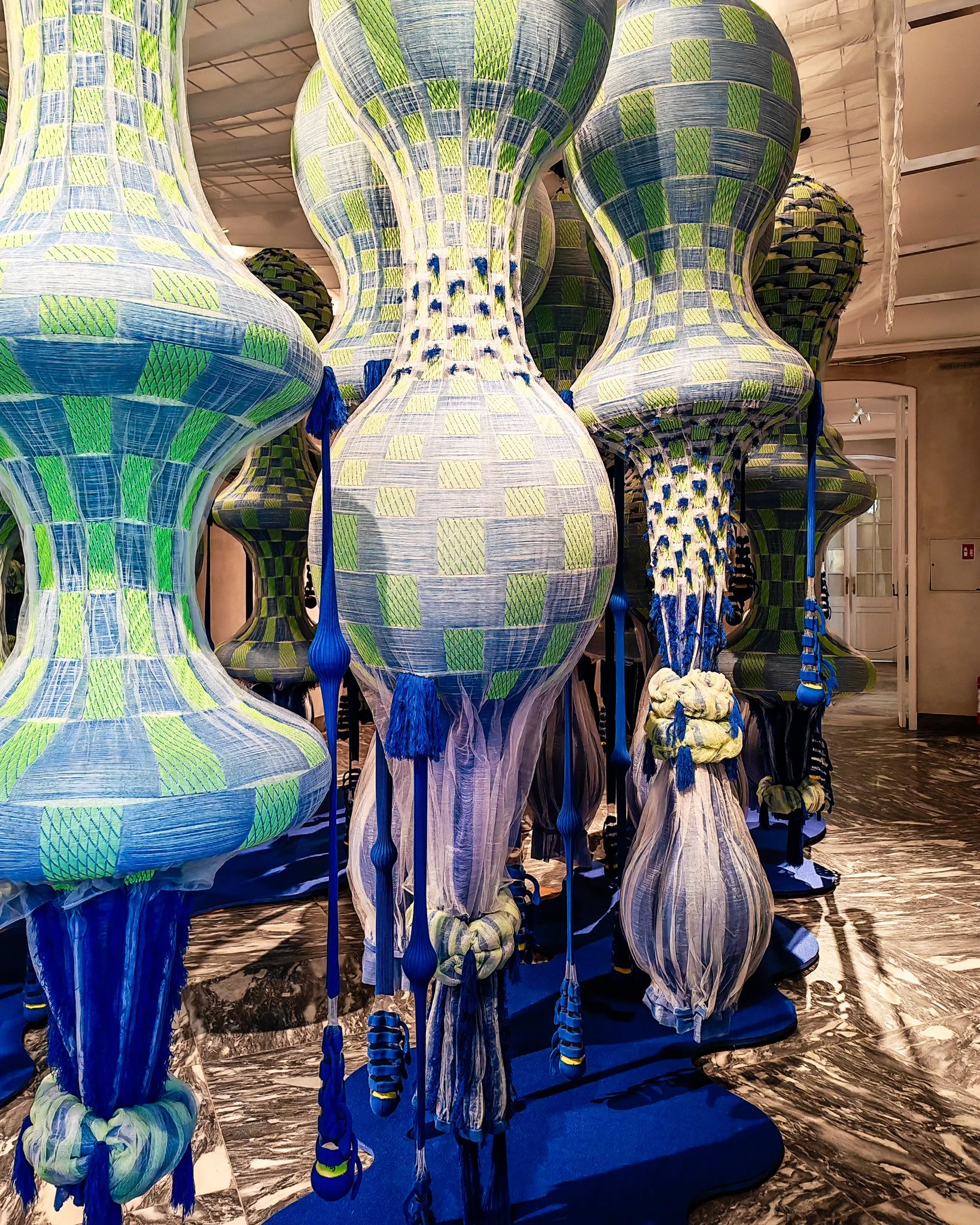
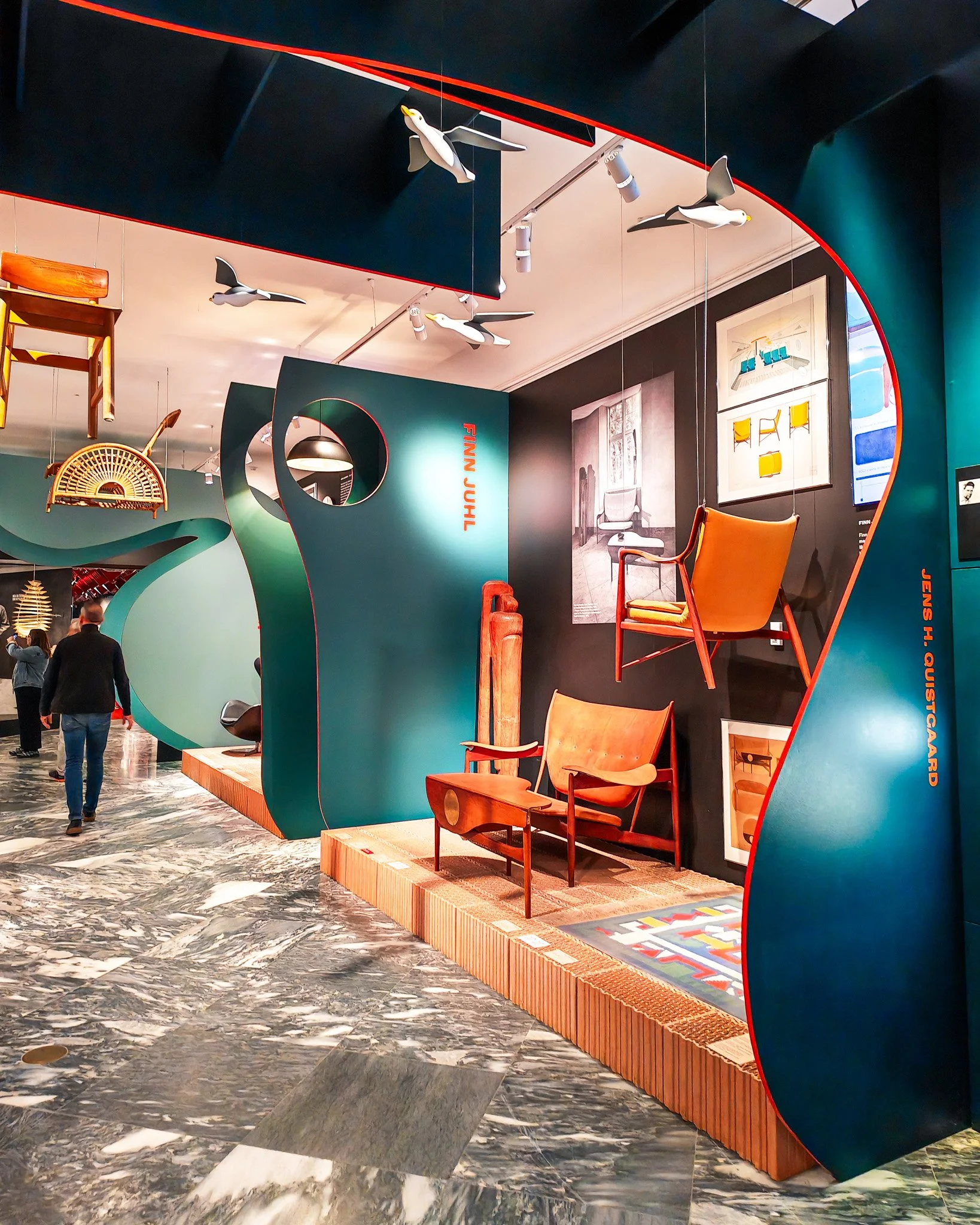
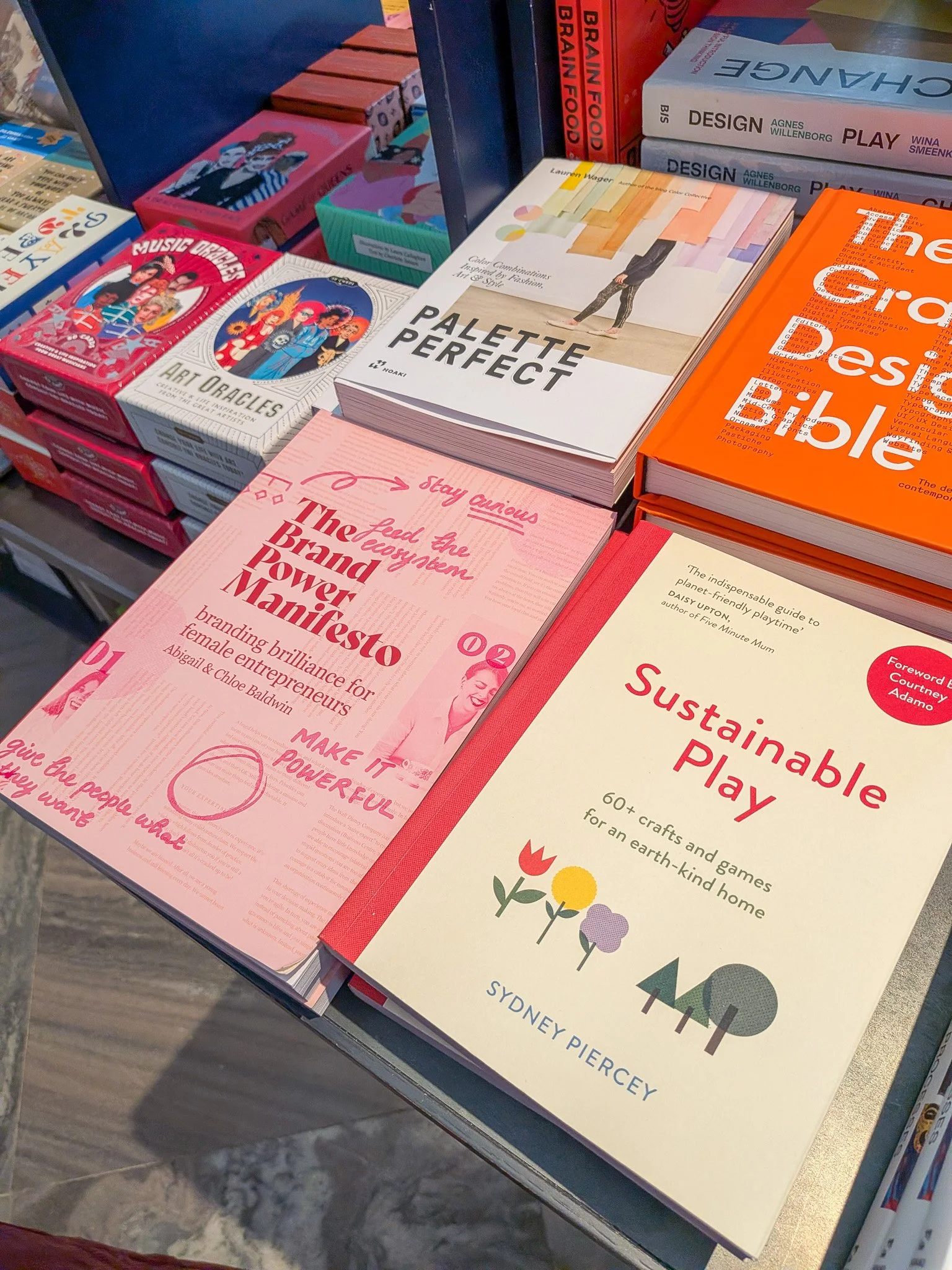
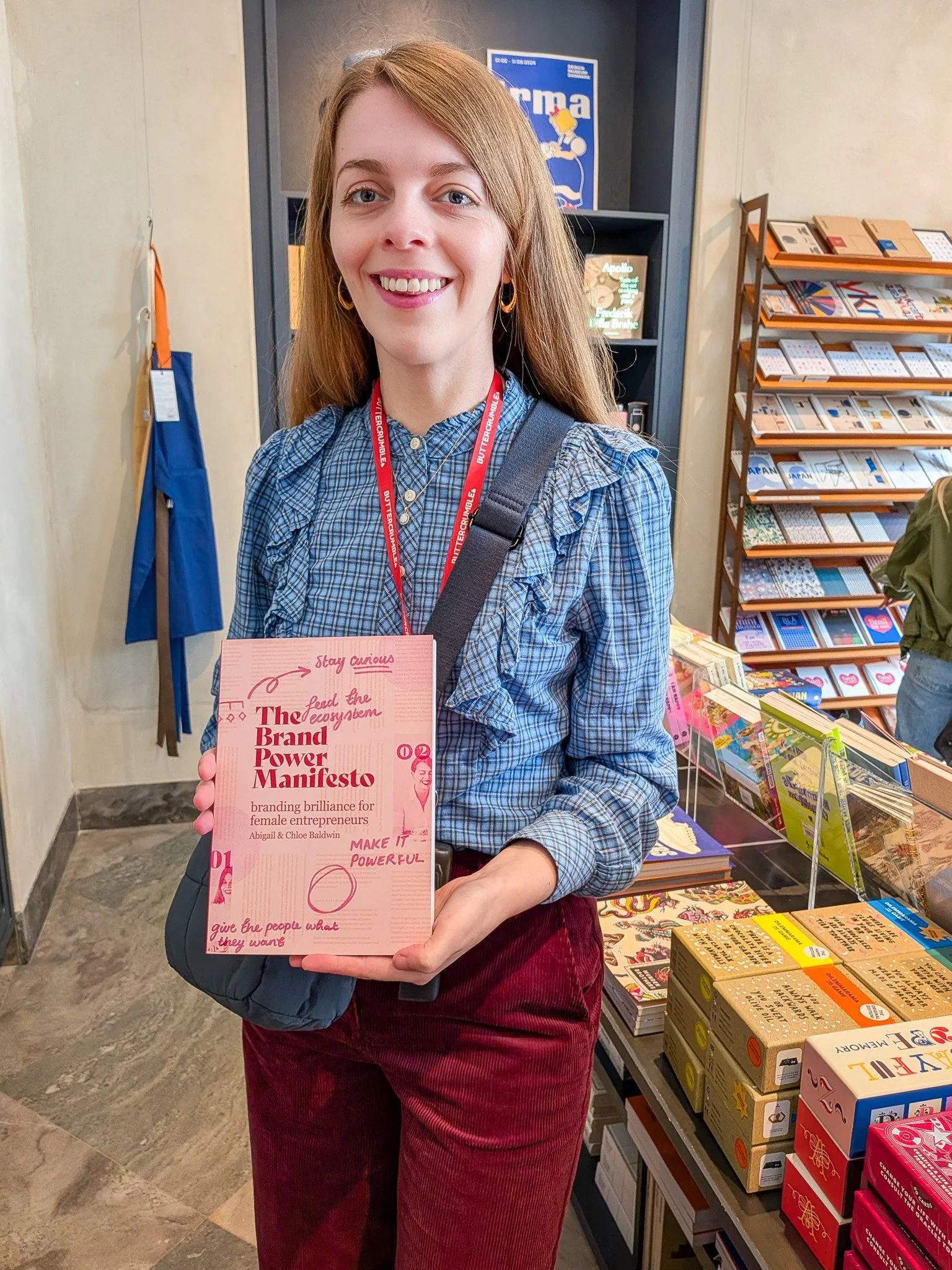
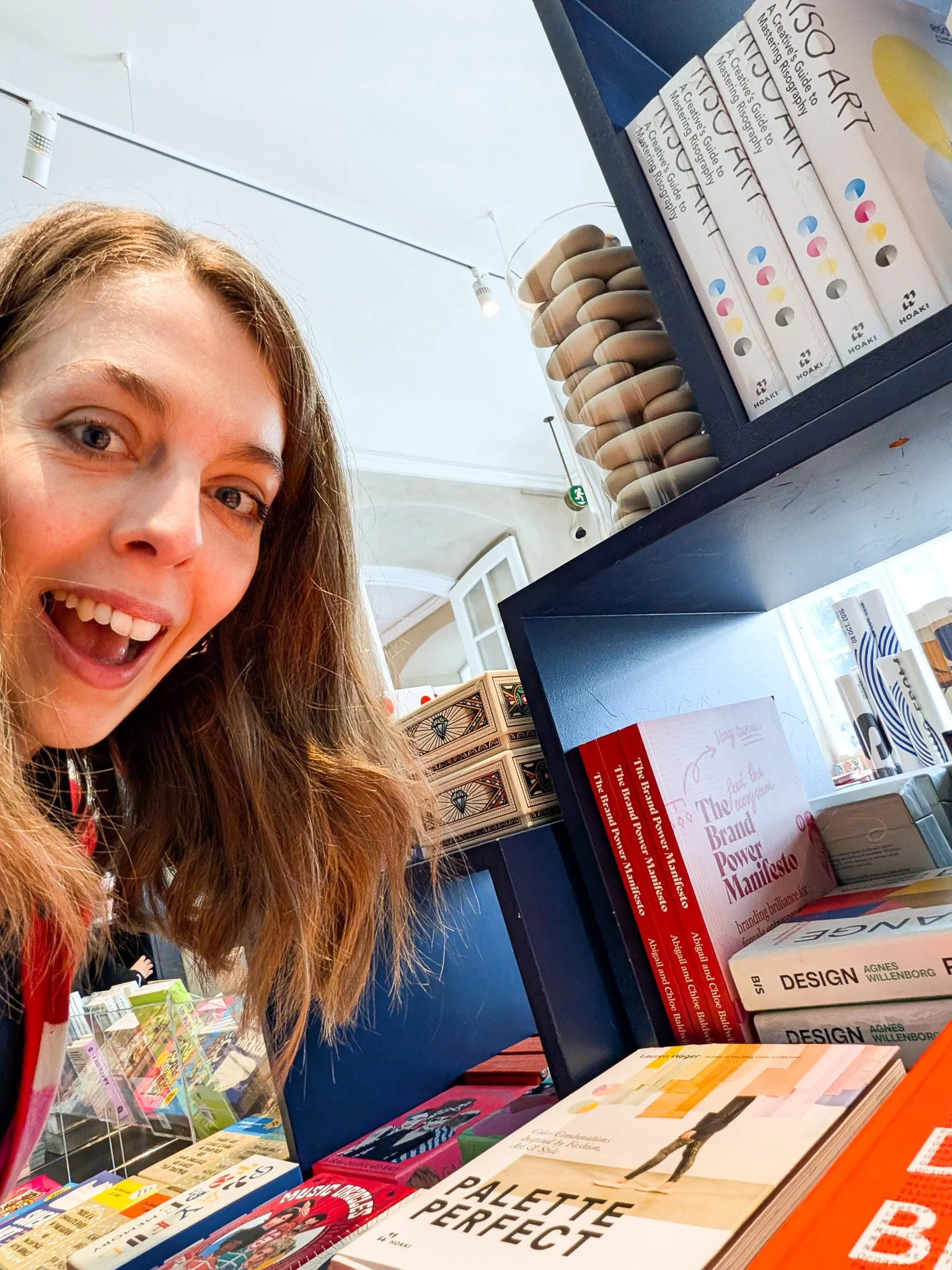
Above: Shots from the Designmuseum, and discovering our book in the gift shop!
Tivoli Gardens was next. It’s the spot that inspired Walt Disney to create Disneyland in California, and you can see why. It’s a stunning amusement park which first opened in 1843 and is the second-oldest operating amusement park in the world. The devil’s in the details, and they know it! Everything has been thoughtfully themed, from the water fountains to the manhole covers, gardens to the balustrades. They’ve not bulldozed over their heritage either. They celebrate it, while still introducing new and innovative rides to the park. It’s a must-do if you visit the city.
For our second day, we visited the Danish Architecture Centre (DAC). This cemented our understanding that the Danes love a good chair. They’re exhibited everywhere as a symbol of strong design.
Alongside the chairs was a celebration of buildings, architectural models and drawings, as you would expect from an architectural museum. It was great to learn more about iconic buildings such as the Sydney Opera House, designed by Jørn Utzon.
The DAC also featured a 40m-long slide. Yes, we rode it. Yes, a trip to the chiropractor is now needed.
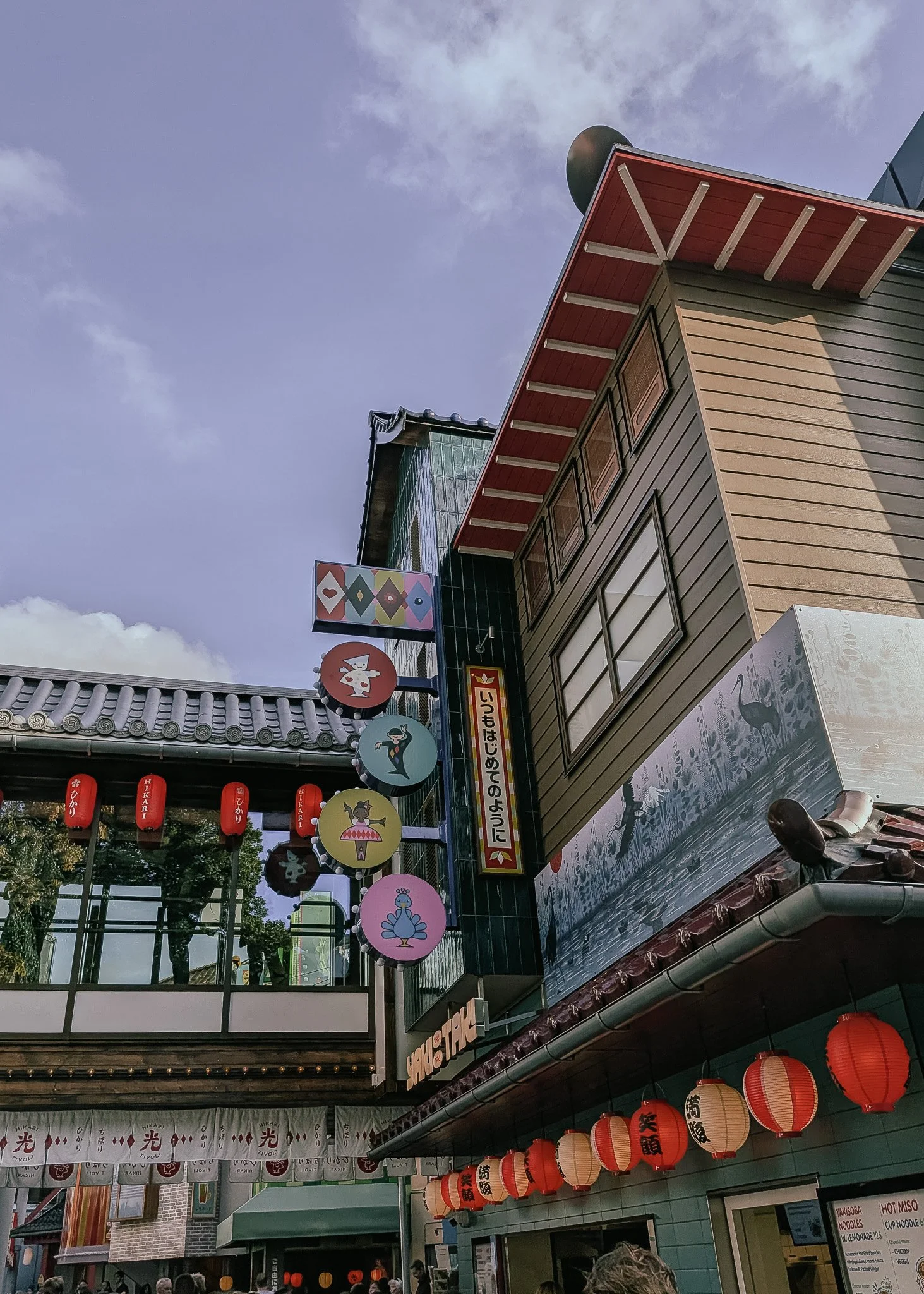
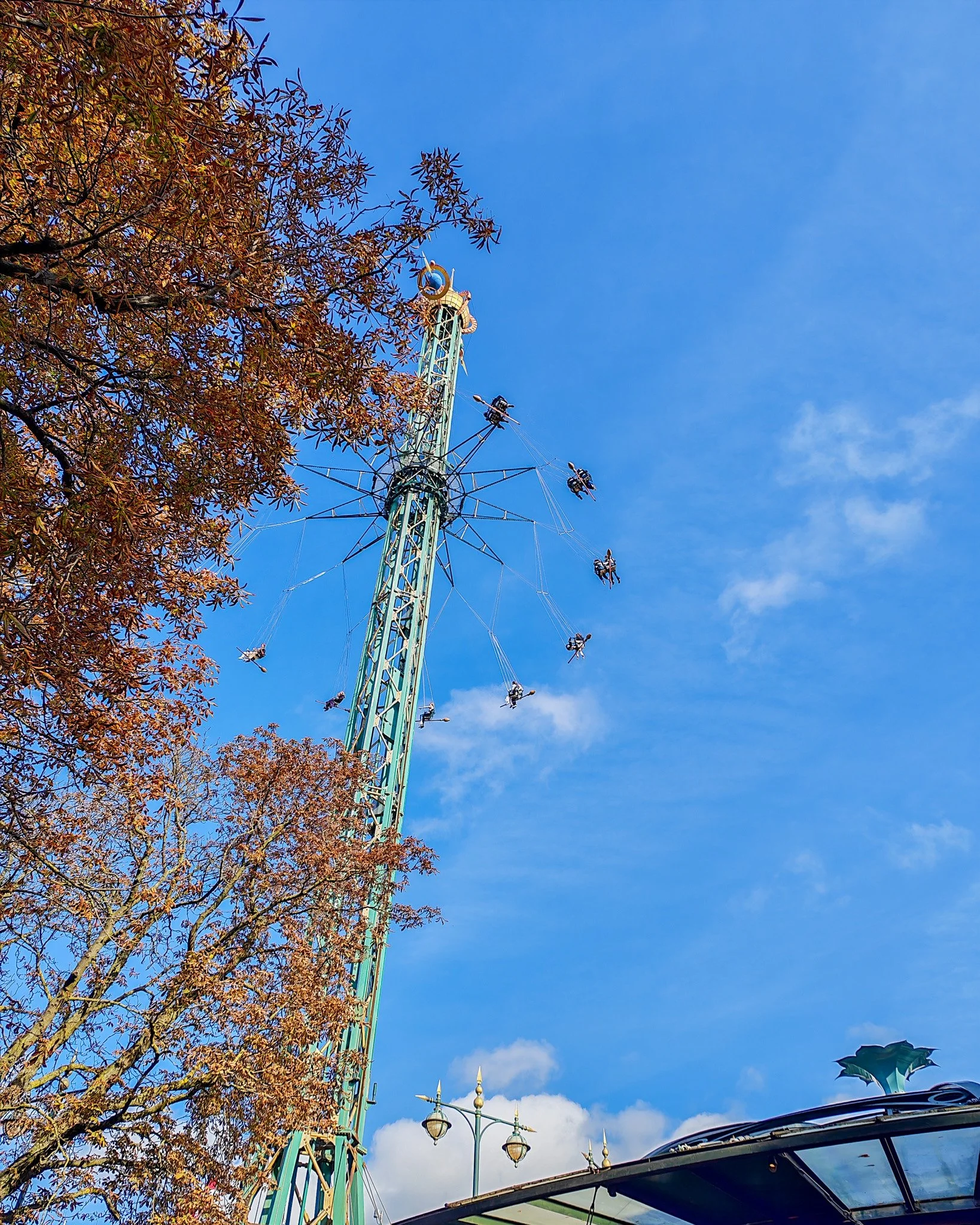
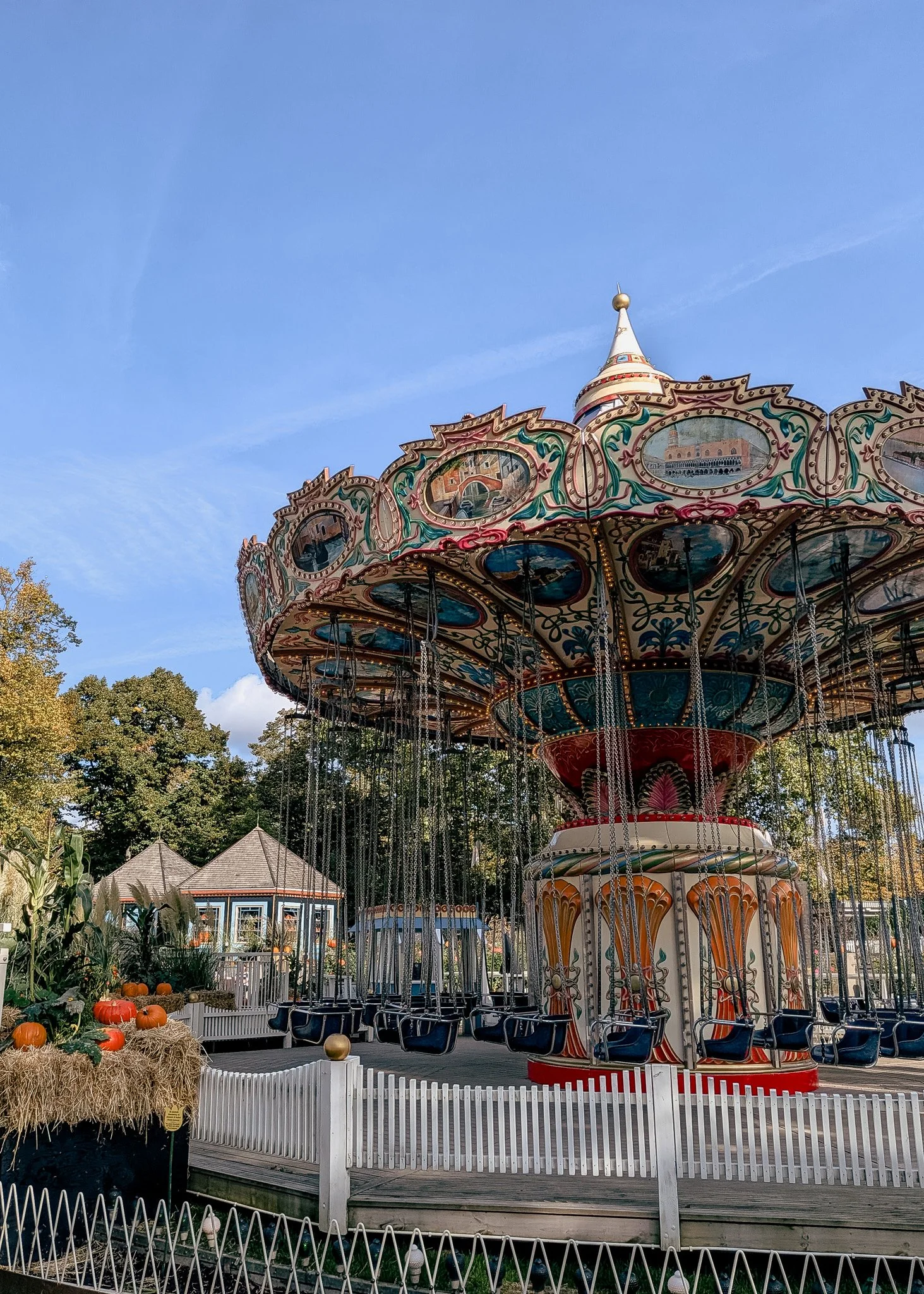
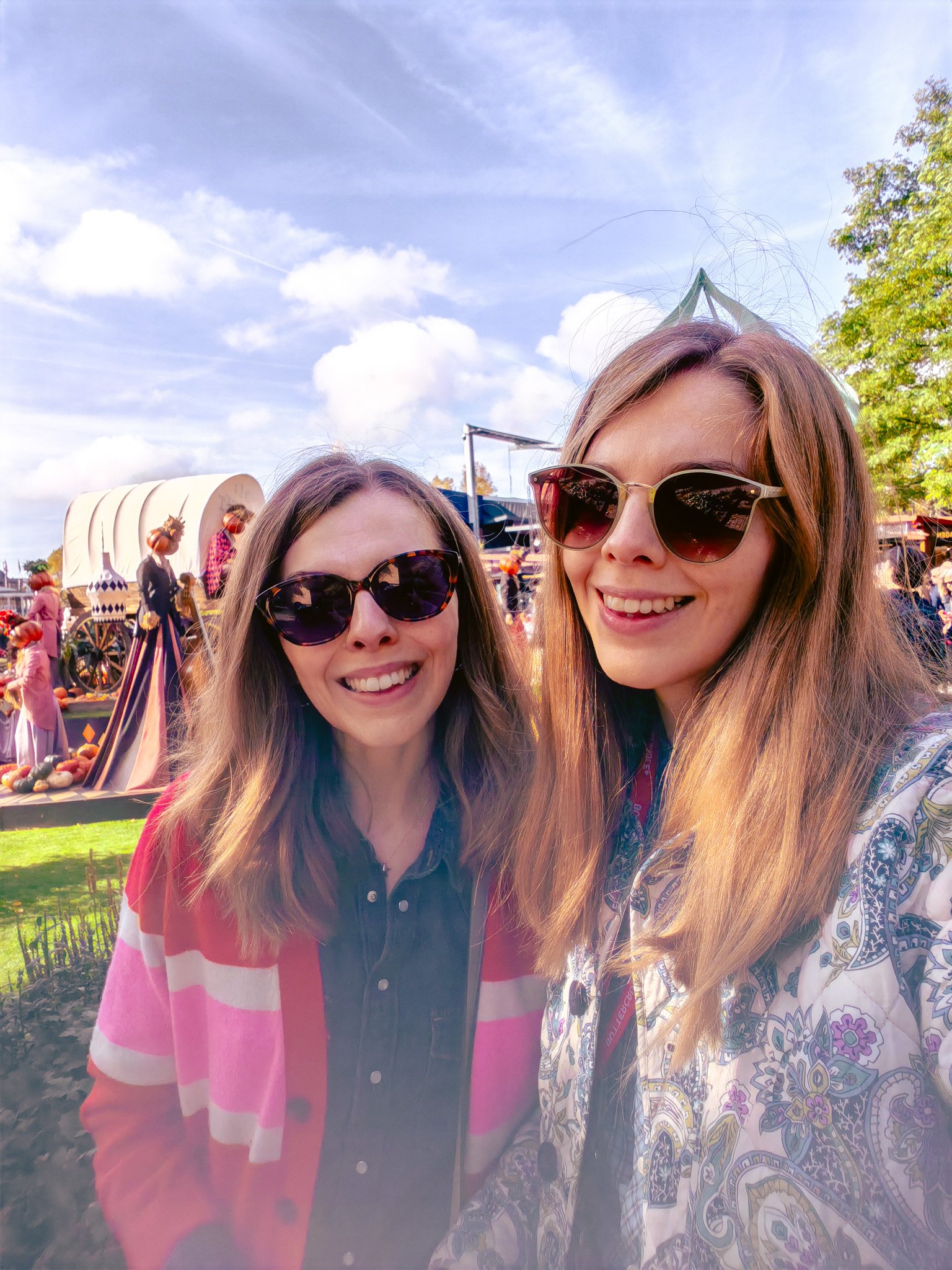

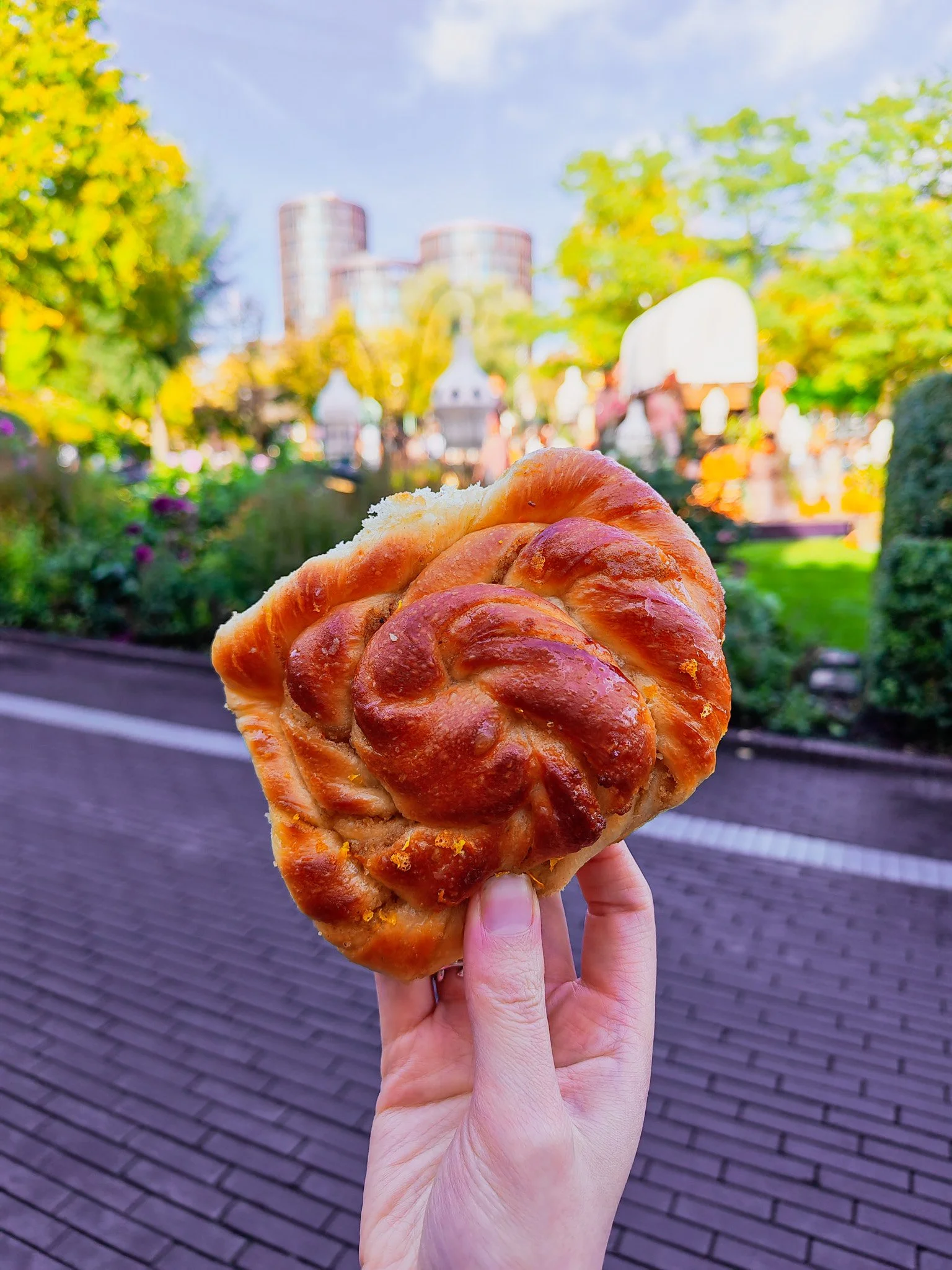
Above: Shots from Tivoli Gardens during spooky season.
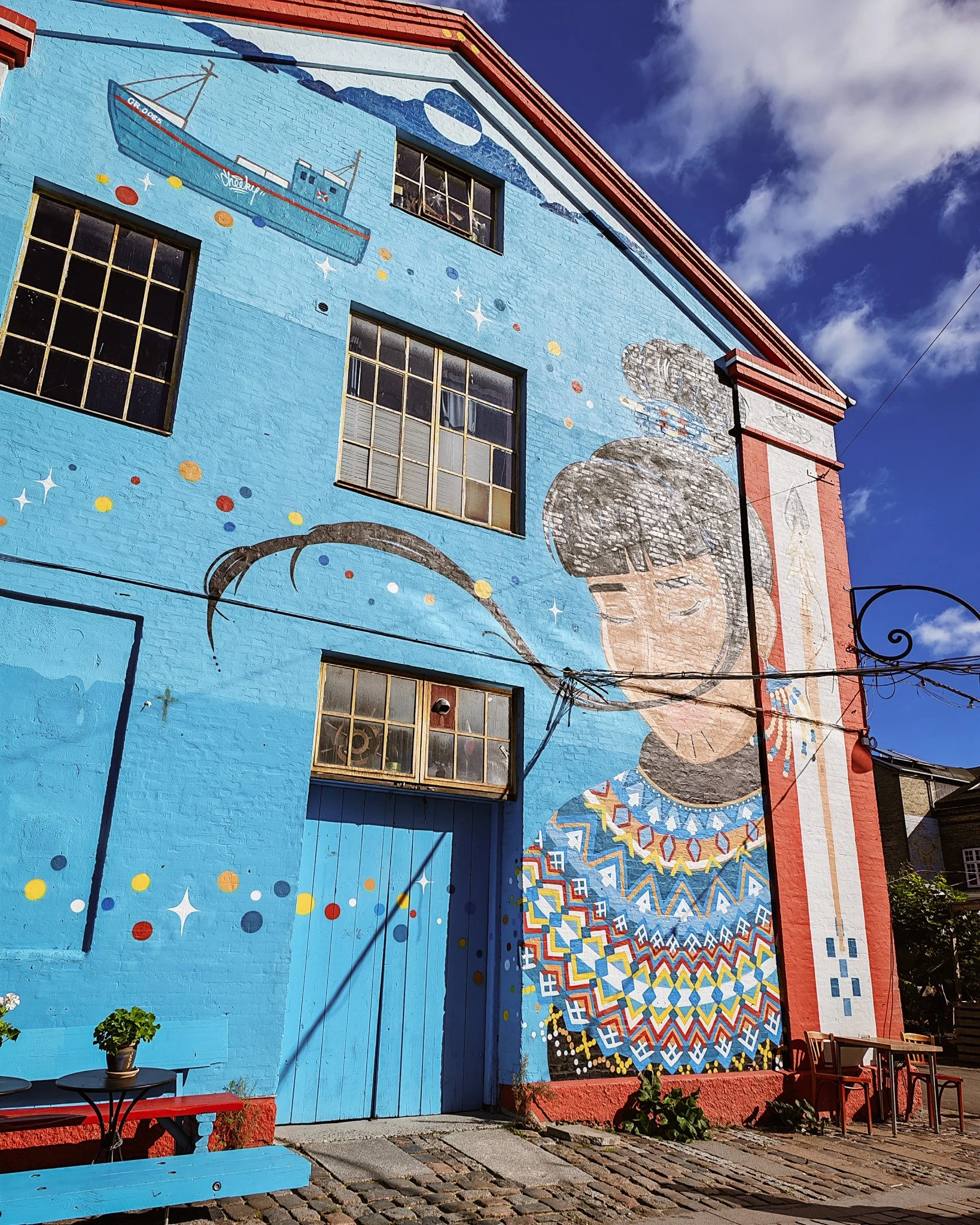
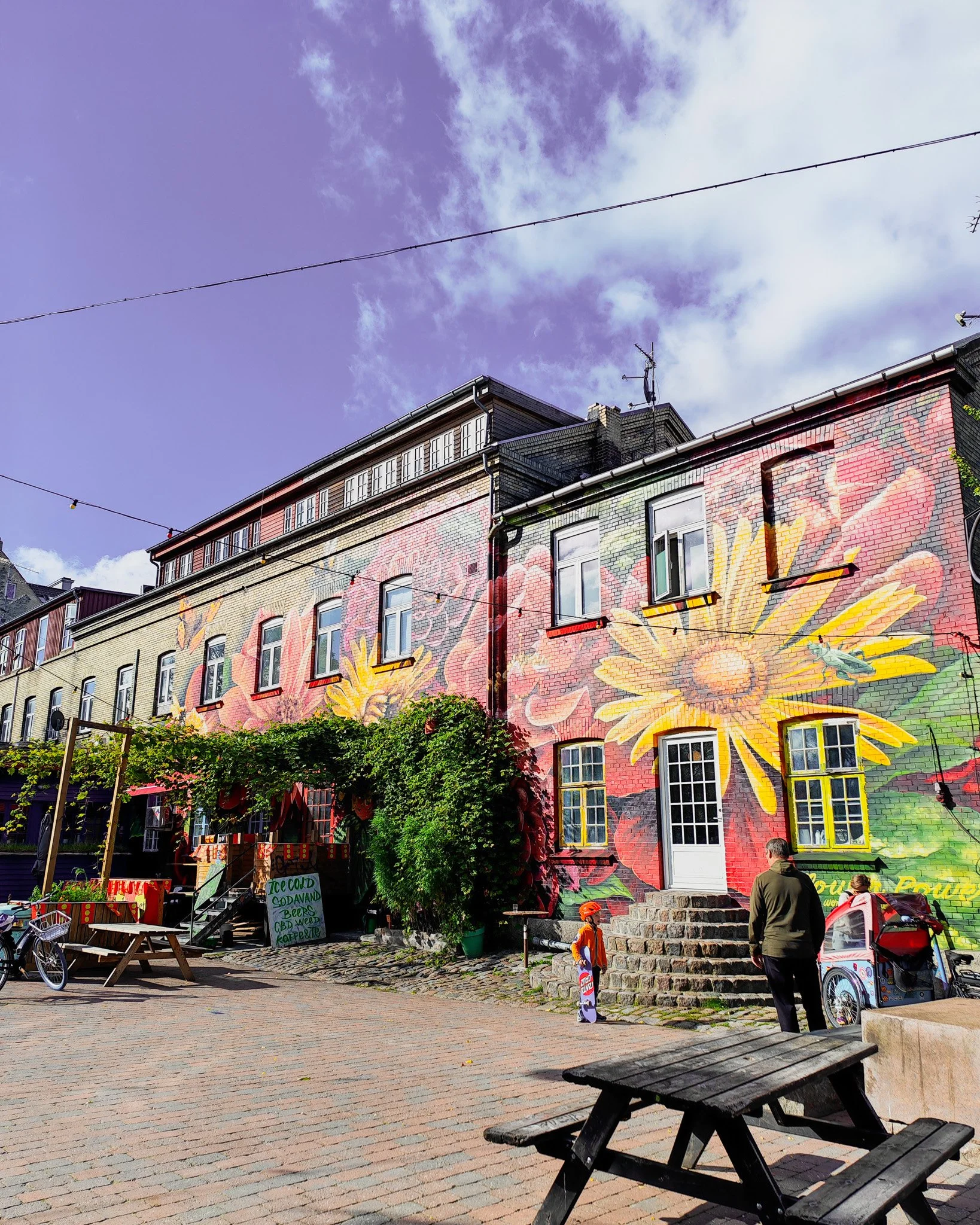
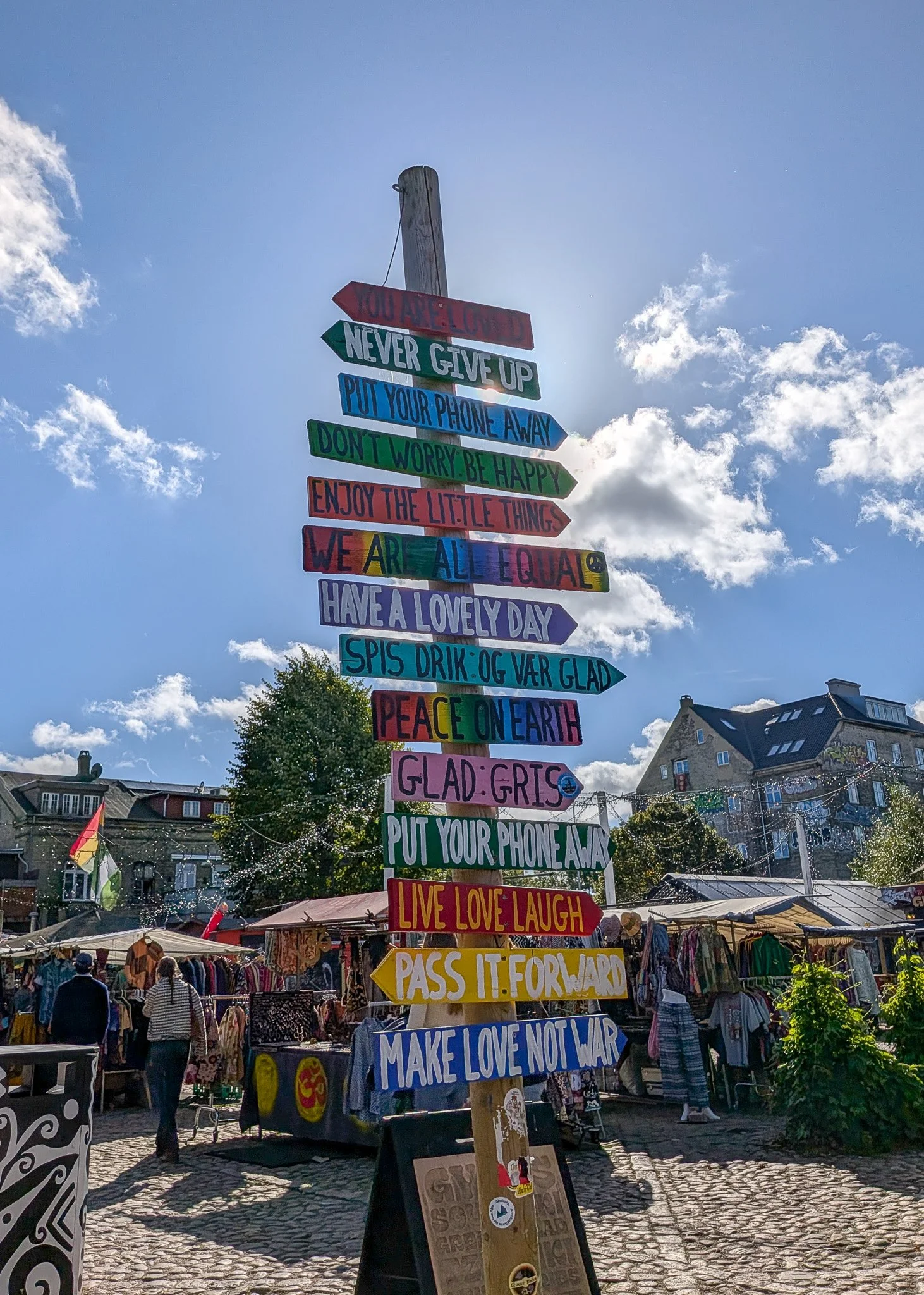
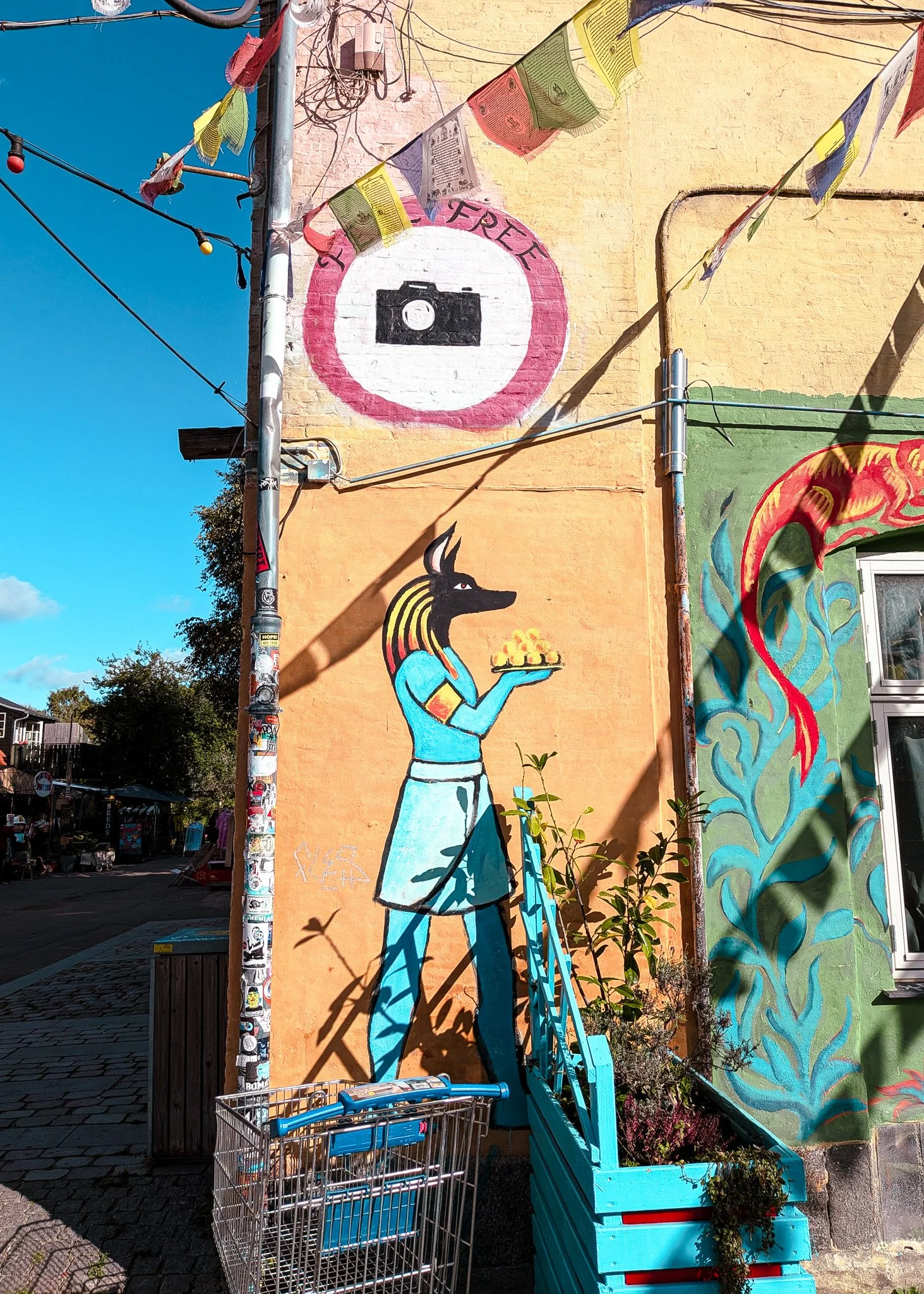
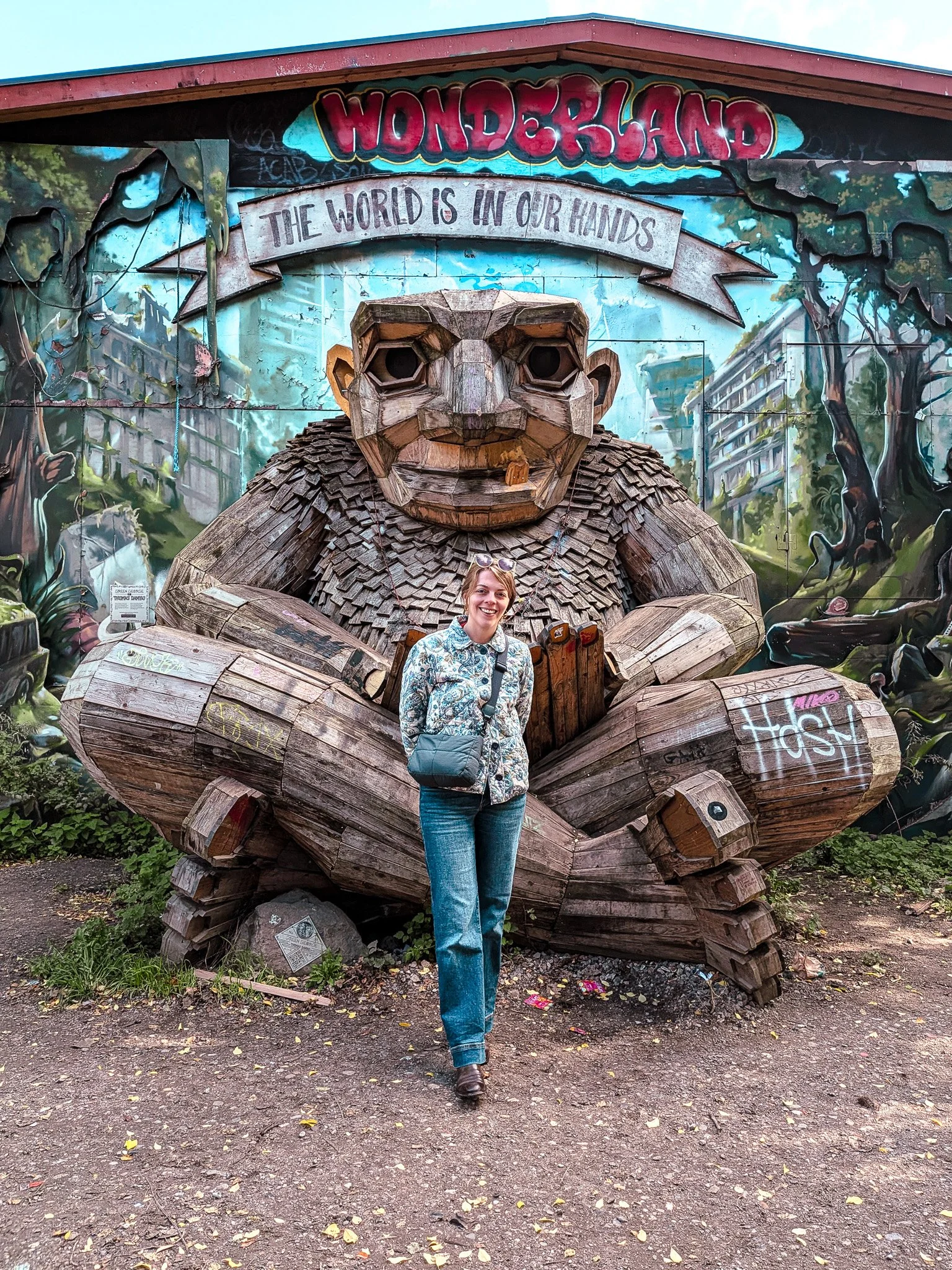
After that, we visited Freetown Christiania. It is an autonomous commune and artistic community, established in 1971. It formed when a group of squatters and activists occupied an abandoned military barracks. It’s now a quirky neighbourhood, featuring striking street art and unusual self-built architecture. It’s a hodgepodge of culture and creativity, which we love.
It’s taught us that we can’t rest on our laurels, relying on Pinterest for ideas. We need to be sponges to the world! We want to experience real life, so in turn, we can share something special with you. Inspiration in = creative energy out. We learn more by expanding our horizons. This means we can bring more solutions and beauty to our community.
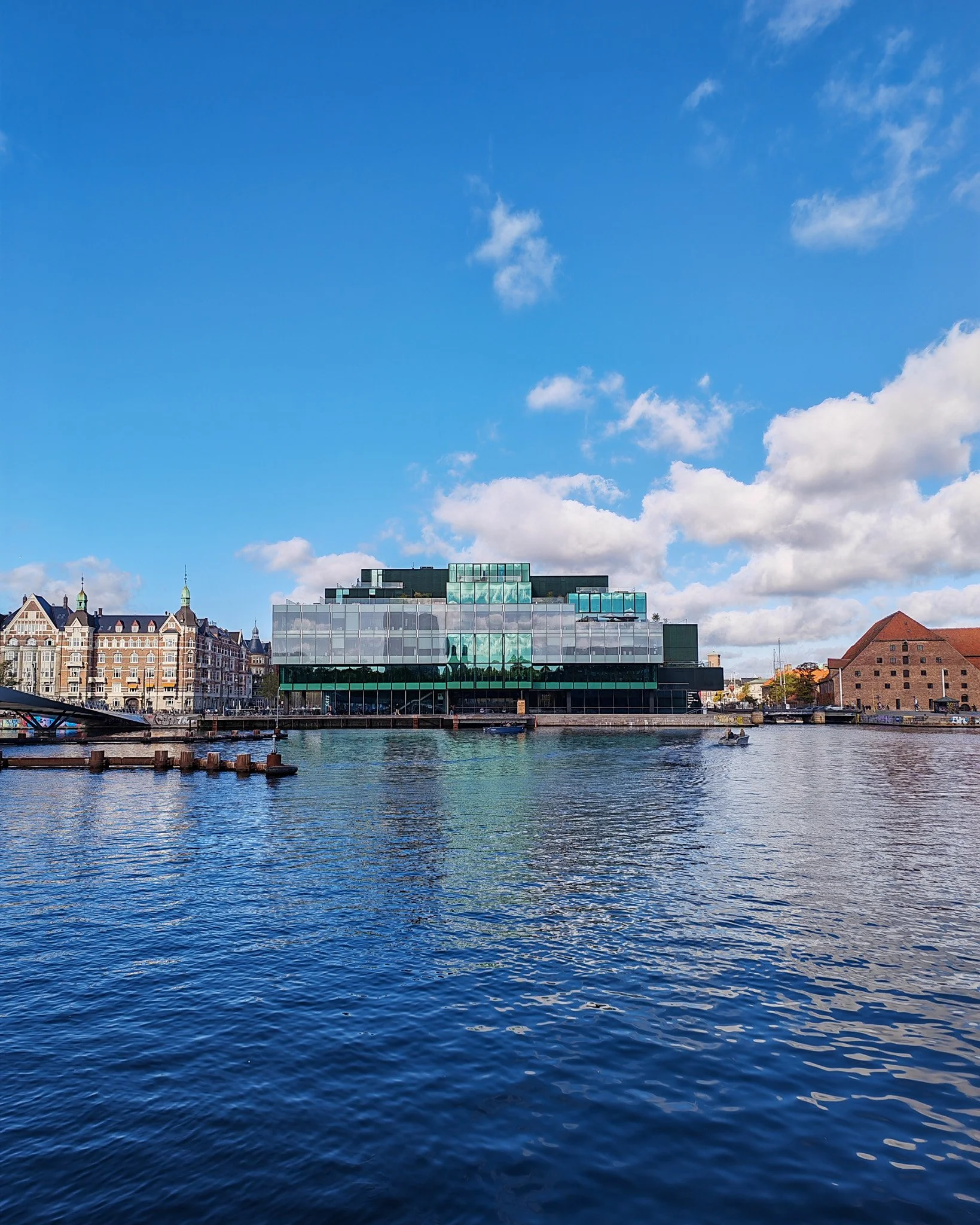
To design is to be human, and design should be human. The best creations are considerate of their audiences. As Charles Eames once said, “The role of the designer is that of a good, thoughtful host anticipating the needs of his guests”. It’s there to support us. It should be a help, not a hindrance.
Thanks so much for following along. Please join the newsletter below for more adventures.